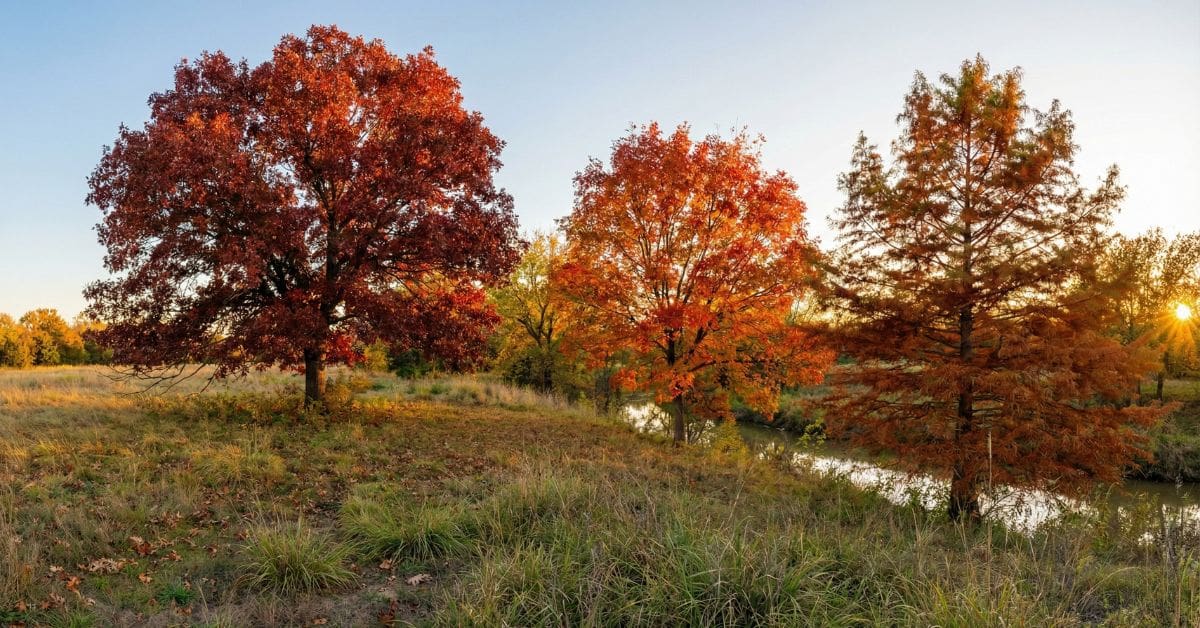
There’s something magical about autumn in Texas—as if relief from the summer heat wasn’t enough, some of our trees transform from green to brilliant shades of gold, orange, and crimson. If you’ve been dreaming of adding more fall color to your property, now is the perfect time to start planting. Depending on how mild the winter is, the best time to install trees in our area is typically October through January. Early planning sets you up for a successful, gorgeous fall.
Why Plant for Fall Color?
Many homeowners focus on spring blooms when selecting trees, but fall foliage offers weeks of breathtaking beauty that can transform your entire landscape. A well-chosen tree doesn’t just provide autumn color—it offers shade in summer, supports local wildlife, and can even increase your property value. Native trees, in particular, are well-suited to our Brazos Valley climate and require less water and maintenance once established.
Top Trees for Fall Color in the Brazos Valley
When selecting trees for our region, it’s important to choose species that thrive in Central Texas conditions—our hot summers, periodic droughts, and varied soil types. Remembering that leaf color intensity varies year to year based on rainfall, temperature, and soil health, here are some excellent options that deliver stunning fall displays here in Zones 8 & 9:
Shumard Oak (Quercus shumardii)
The Shumard Oak is a robust, fast-growing shade tree admired for its size, strength, and vivid fall color. In spring, it produces dangling yellow-green catkins that supply pollen for insects. Mature trees typically reach 40-60 feet tall and 40–60 feet wide, offering generous shade. In fall, its deeply lobed leaves turn rich shades of red, crimson, and russet. Abundant acorns provide valuable food for birds, deer, and small mammals.
Chinese Pistache (Pistacia chinensis)
The Chinese Pistache is a drought-resistant, medium-sized shade tree prized for its spectacular seasonal color. In spring, it produces clusters of small greenish flowers that support pollinators. Mature trees typically reach 25-35 feet tall and 25–35 feet wide, with an irregularly shaped canopy. In fall, its finely divided leaves blaze in fiery shades of orange, red, and scarlet. Female trees develop colorful berry-like fruit that attracts and feeds a variety of birds and wildlife.
Bald Cypress (Taxodium distichum)
The Bald Cypress is a distinctive, long-lived deciduous conifer known for its soft, feathery texture and elegant form. In spring, it leafs out with bright, fresh-green needles following small, inconspicuous flowers that develop into round cones. Mature trees typically reach 50–70 feet tall with a 20–45 foot wide, pyramidal canopy. In fall, the foliage transforms into glowing shades of copper, rust, and amber. Its seeds and structure provide valuable food and habitat for birds and other wildlife.
Cedar Elm (Ulmus crassifolia)
A true Texas native, the Cedar Elm is a durable, medium to large shade tree well-suited to the tough Texas environment. In late summer to early fall, it produces small, inconspicuous greenish flowers that mature into winged seeds, providing seasonal interest and food for birds. Mature trees typically reach 50–70 feet tall with a 40–60 foot wide, oval canopy. In fall, its small, glossy leaves turn soft shades of yellow to golden. Dense branching offers excellent cover and habitat for wildlife.
Mexican Plum (Prunus mexicana)
The Mexican Plum is a small, ornamental native tree cherished for its seasonal beauty and wildlife value. In early spring, before leaves emerge, it bursts into masses of fragrant white blossoms that attract bees and other pollinators. Mature trees typically reach 10–25 feet tall and 10–25 feet wide, for a round, spreading canopy. In the fall, its leaves glow in shades of yellow to orange. Its small plums provide food for birds, mammals, and, when ripe, people as well.
Eastern Redbud (Cercis canadensis)
The Eastern Redbud is a small, graceful ornamental tree of 20-30 feet tall, delivering stunning color in both spring and fall. In early spring, before leaves emerge, its bare branches are covered in masses of rosy-pink, pea-like blossoms, creating a cloud of vibrant color. As seasons shift, its heart-shaped leaves turn from fresh green to glowing shades of warm yellow, apricot, and soft copper, providing a brilliant, long-lasting fall display on any property.
Black Tupelo (Nyssa sylvatica)
The Black Tupelo is a stately shade tree valued for year-round interest and wildlife appeal. In spring, it bears small, nectar-rich greenish-white flowers that attract pollinators. Mature trees typically reach 30–50 feet tall with a 20–30 foot wide, oval canopy. In fall, its glossy foliage turns spectacular shades of scarlet, orange, and purple. Its small, dark fruits are a favored food source for birds and other wildlife.
Sourwood (Oxydendrum arboreum)
The Sourwood (Oxydendrum arboreum) is a graceful, medium-sized tree prized for its multi-season beauty and wildlife value. In early summer, it produces arching clusters of fragrant, bell-shaped white flowers that are highly attractive to bees and other pollinators. Mature trees typically reach 20–30 feet tall with a 15–25 foot wide, oval canopy. In fall, its foliage turns brilliant shades of crimson, scarlet, and wine-red. Its flowers and nectar also support the production of famed sourwood honey.
Red Maple (Acer rubrum)
The Red Maple (Acer rubrum) is a fast-growing shade tree celebrated for its vibrant seasonal color and wildlife value. In early spring, clusters of red flowers appear before the leaves, adding a warm blush to the landscape and providing early nectar for pollinators. Mature trees typically reach 40–60 feet tall with a 30–50 foot wide, oval canopy. In fall, its foliage ignites in brilliant shades of scarlet, orange, and gold. Its seeds and buds help feed birds and small mammals.
Scarlet Oak (Quercus coccinea)
The Scarlet Oak is a majestic shade tree known for its brilliant fall color and ecological value. In spring, it produces subtle yellowish catkins that provide pollen for insects. Mature trees typically reach 60–80 feet tall with a 40–50 foot wide, open, rounded canopy. In fall, deeply lobed leaves turn vivid scarlet to crimson, often holding color late into the season. Its acorns offer an important food source for birds, deer, and small mammals.
American Beech (Fagus grandifolia)
The American Beech is a noble, long-lived shade tree prized for its smooth gray bark and rich seasonal interest. In spring, small yellow-green flowers appear in separate clusters, supporting early pollinators. Mature trees typically reach 50–70 feet tall with a broad 40–60 foot wide canopy. In fall, its foliage turns glowing shades of golden bronze to copper, often lingering into winter. Beechnuts provide valuable food for birds, squirrels, and other woodland wildlife.
Why Do Leaves Change Color?
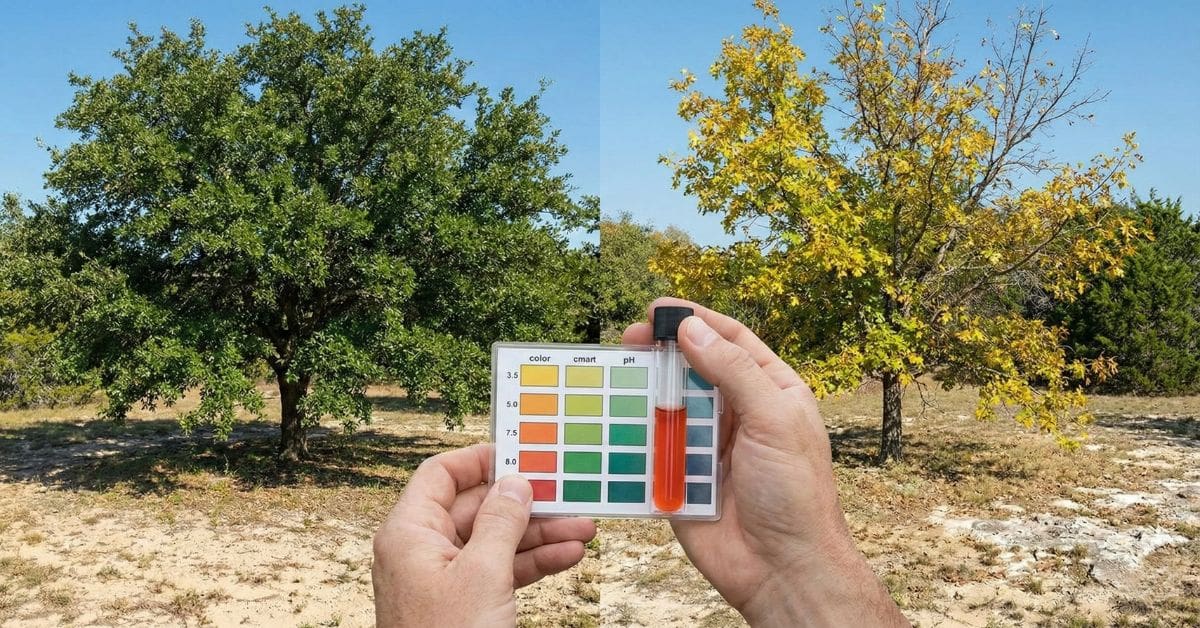
Understanding the science behind fall color can help you appreciate this annual spectacle even more. As our Brazos Valley days get shorter and nights cooler, temperature, soil moisture, and sunlight work together to decide how vivid our fall color will be. Drier, sunny autumn days followed by cool nights typically produce the best displays because they promote sugar buildup in leaves and steady breakdown of green pigments. Weather during the color-change period is especially important—cool, sunny conditions intensify reds and oranges, while very warm falls or hard early freezes can shorten or dull the show. Adequate moisture through the growing season helps sustain healthy foliage into fall, but moderate drought stress can sometimes increase red pigment production, improving color as long as leaves aren’t killed outright.
All summer long, leaves are packed with chlorophyll, the green pigment that drives photosynthesis and masks other colors, along with carotenoids, the yellow and orange pigments that quietly protect the photosynthetic machinery. As days shorten and trees prepare for winter, they begin to dismantle their photosynthetic systems, breaking down chlorophyll and moving valuable nutrients like nitrogen and phosphorus out of the leaves into stems and roots for storage. Because chlorophyll must be constantly replaced during the growing season, once its production stops, it fades quickly, finally revealing the yellows and oranges of carotenoids that were present all along. Bright, sunny fall weather speeds this chlorophyll breakdown and can bring those background colors out more quickly, while severe drought may cause trees to cut off nutrient flow and shed leaves before pigments are fully revealed.
A third pigment, anthocyanin, is responsible for the brilliant reds, purples, and burgundies that make certain trees—like Black Tupalo (Nyssa sylvatica), Red Maple (Acer rubrum), Scarlet Oak (Quercus coccinea), and Sourwood (Oxydendrum arboreum)—so striking in autumn. Unlike carotenoids, anthocyanins are not present all season; they’re produced in fall from excess sugars trapped in leaves as nutrient transport slows. Strong sunlight is needed to drive this sugar production, so bright days combined with cool nights favor intense red and purple tones, while cloudy, gray weather tends to yield a more muted palette. If temperatures drop below freezing too early, the cellular machinery that makes anthocyanins can be damaged, cutting the color season short. Only a minority of temperate tree species produce anthocyanins at all—about 10%—which is one reason regions with a higher proportion of these species are famous for especially dramatic fall color.
Tips for Success
To give your new trees the best start:
- Plant at the right time: October through January is the ideal planting window for the Brazos Valley.
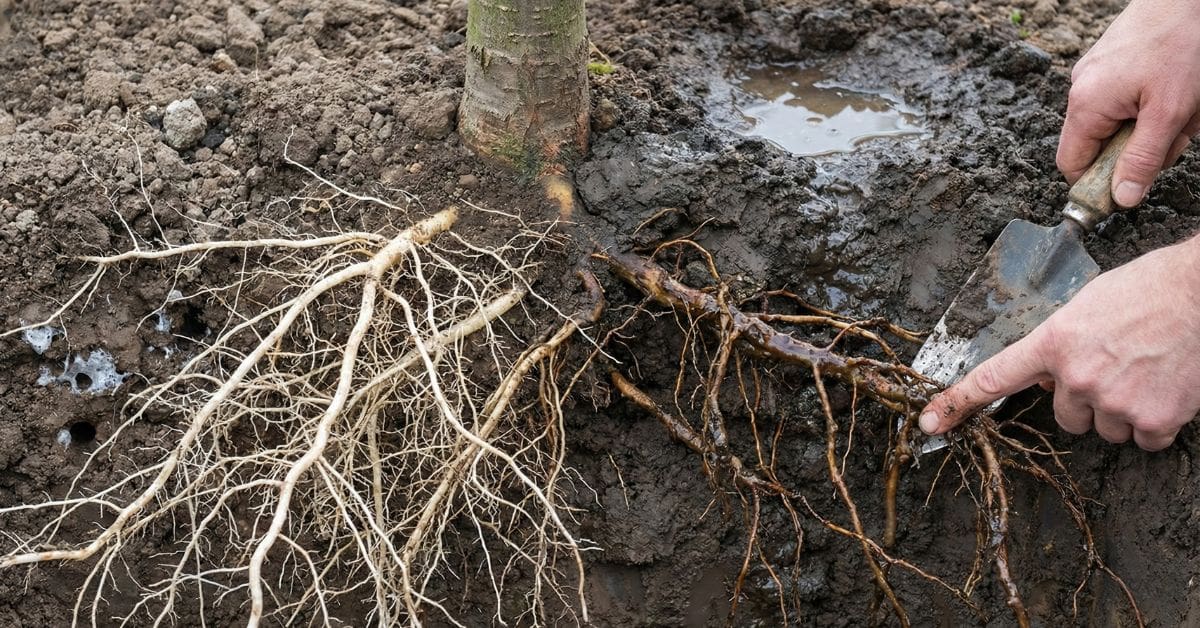
- Plant at the right height: The top of the rootball should rest 1-2″ above groundlevel after planting.
- Match the tree to your site: Consider your soil type, sun exposure, and available space before selecting a species.
- Water wisely: New trees need regular deep watering during their first growing season to establish strong root systems.
- Mulch properly: A 3–4 inch layer of mulch conserves moisture and protects roots, but keep it away from the trunk.
Let Us Help You Plan
Choosing the right tree for your property involves more than just picking a pretty species—you need to consider soil conditions, mature size, maintenance requirements, and how the tree will fit into your overall landscape. At Texas Tree Services, we’re passionate about helping the Brazos Valley community select and care for trees that will thrive for decades or centuries.
Give us a call if you’re ready to add stunning fall color to your property—we’d love to help you find the perfect trees for your property.